
Wildfire Safety Tips
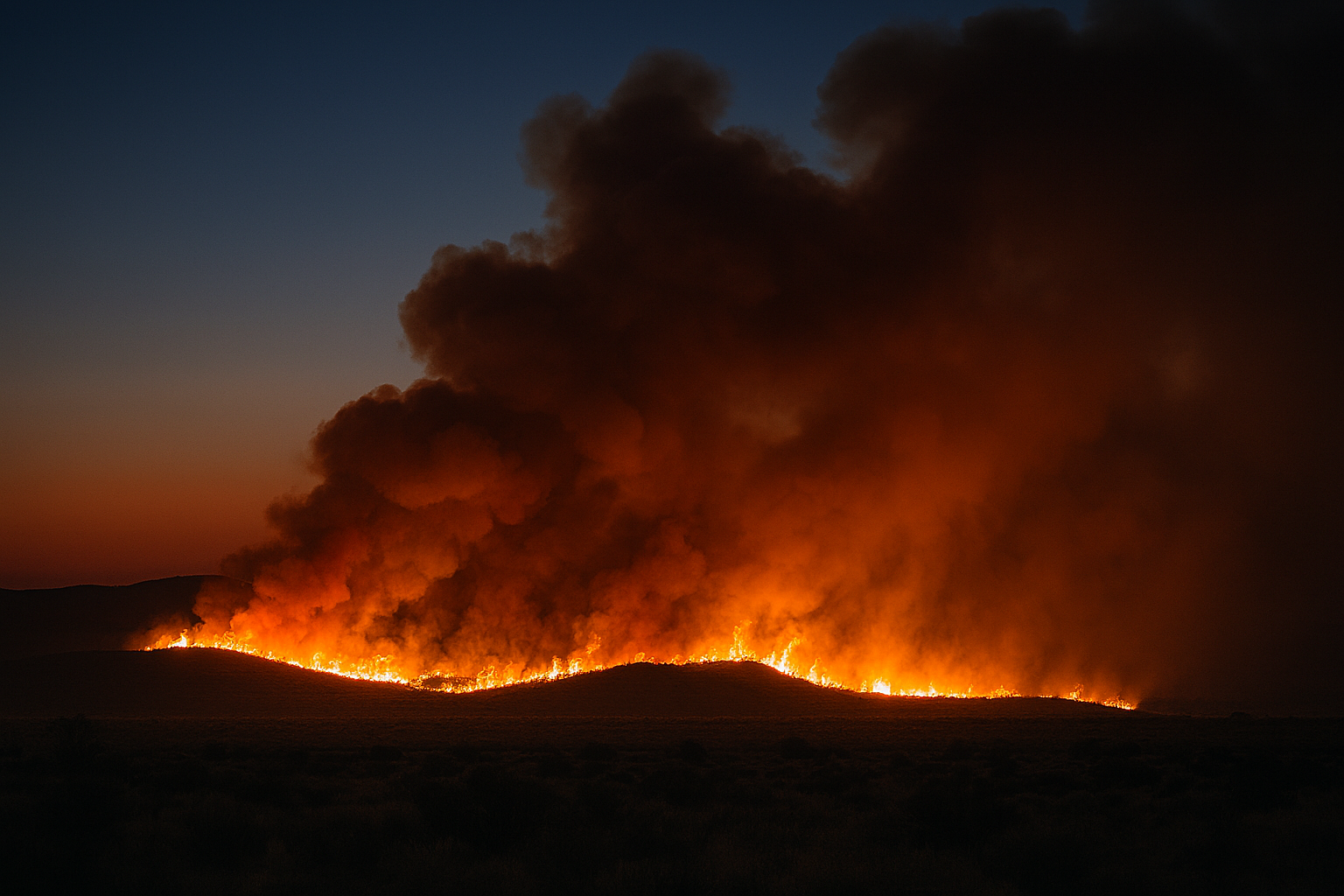
In Alberta, the official wildfire season runs from March 1 to October 31, though fires can happen at any time of year, even during winter. These fires can affect a wide range of areas, including forests, grasslands, and urban green spaces such as parks and ravines. They occur most often in the spring and summer, when hot, dry, and windy conditions make it easier for fires to ignite and spread.
Wildfires can start from natural causes like lightning or from human activities such as burning yard waste, leaving campfires unattended, setting off fireworks, or using off-road vehicles in dry conditions. During periods of intense heat, vegetation becomes very dry, making it much easier for fires to ignite and spread quickly. The following section outlines important safety and preparedness tips to help you and your family respond more effectively and stay safe.
In 2025, approximately 681,751 hectares burned from 1225 reported fires in Alberta, and the numbers continue to grow nearly each year, with some fires not completely being extinguished over the winter months and sometimes being carried over in to the next year. These fires can remain small or escalate into large, destructive events that impact communities, wildlife, and air quality. Although lightning is responsible for fewer fires overall, it often leads to the greatest area burned because these fires typically start in remote locations and spread rapidly.
More recent events, such as the fires impacting Jasper National Park in 2024, show that the threat remains significant in both natural and developed areas. In recent years, wildfire activity in Alberta has been increasingly influenced by climate change, leading to hotter temperatures, longer fire seasons, and drier conditions overall. These factors make large, high-intensity fires more likely and more difficult to control. As a result, Alberta continues to invest heavily in wildfire prevention and response measures, including monitoring systems, fire restrictions, and public awareness efforts to reduce human-caused fires and improve overall safety.
So let’s talk safety.
If you see a fire, report it
You might be the first to notice a “hot spot,” so if you see any fire—even a small one—call 911 right away. Don’t assume that someone else has already called and reported the same fire you see; the local authorities would rather have numerous calls of the same fire than for it to go unreported longer, as time is of the essence when it comes to getting a fire under control.
Create an Emergency Kit
Ensure that you have a crate or bag that contains some of the necessities that you can easily grab-and-go in case of an emergency requiring evacuation. Pack the essentials; at least 3 days worth of non-perishable food, water, change of clothes and personal hygiene items. If you or your family members take any medication, ensure that the medication is stored neatly and in an easy to access area where you can grab them and put into a kit - if you have extra medications, you can pack these in the kit as well. For your furry family members, make sure there is also at least 3 days worth of food and water, with a crate or leash ready to grab quickly. Also make sure you have extra phone chargers, flashlights, battery packs and a first aid kit packed in there as well.
Fire Restrictions and Fire Bans
Following your City, Town or County fire restrictions or bans are not a suggestion — it is for the safety of everyone. During these times, emergency crews, including fire fighters, may be deployed to wildfire areas that take away some resources in your area. Having Fire and EMS crews coming to your location for a fire that was caused by something both preventable and restricted/banned results in depleting precious resources further, and can carry a fine and/or criminal charge - all of which can be easily avoided. Please visit your local area’s website or www.albertafirebans.ca to view more information about whether you are under a fire restriction or ban, and what is or isn’t allowed during these times.
Tour the House before Leaving
If an evacuation order happens in your area, quickly go around the home, close all the windows, turn off any heating or ventilation systems and shut off all the lights. Make sure all windows and doors are locked on your way out, and leave your contact information on the front door in case emergency services needs to get a hold of you for any reason. If time permits, move furniture to the centre of the room away from windows, remove any flammable window shades and curtains and close all the vents to reduce the amount of smoke that may enter.
Stay Alert and Follow Direction
During an evacuation order, staying calm and following the orders from local authorities will help people get to safely more efficiently. Stay on designated evacuation routes to assist in keeping roads open for emergency crews and listen to local radio stations and emergency alert messages to stay informed and up to date on current directions during these times. Listen for and check in at a designated evacuation centre so authorities know you have evacuated safely. Do not return until local officials have stated that it is safe to do so.
The safety of everyone is paramount, especially when it comes to fire and wildfire risks that can escalate rapidly and cause devastating consequences. Every individual plays a role in prevention by staying alert, following local regulations, properly maintaining equipment, and ensuring that fire hazards — like dry vegetation, unattended flames, or improperly discarded smoking materials — are carefully managed.
In wildfire-prone areas, preparedness is just as critical as prevention: having an evacuation plan, maintaining defensible space around properties, and staying informed about weather and fire conditions can save lives. Taking fire safety seriously is not just about protecting property, but about safeguarding communities, wildlife, and the environment as a whole.
You can view the status of Wildfires in Alberta at https://experience.arcgis.com/experience/0e45bd0ef9814d5e9ec3f87900a4cfe9.
Stay Informed and Stay Safe!