
7 Warning Signs Your Deck Isn’t Ready for “Summer Mode”
The first warm weekend hits and suddenly everyone’s a patio person. Chairs come out. Grill gets dusted off. Someone says “we should eat outside tonight” like it’s a brand-new idea.
Before your deck becomes the unofficial community center for iced tea and questionable burgers… give it a quick safety audit.
Because decks don’t usually fail with a polite warning. They fail with a CRACK, a lean, and a story you’ll be telling at every family gathering until 2046.
Here are 7 warning signs your deck may need repair (or rebuilding) before you start hosting.
1) Missing connectors
Your deck isn’t held together by vibes. It needs:
nails and screws
metal connectors (joist hangers, brackets, ties)
proper connections between beams and joists
If connectors are missing, that’s not a “meh, later” problem. It’s structural.
What to do:
Do a visual sweep, then get underneath the deck if you can. If you see missing hardware, replace it before the season starts.
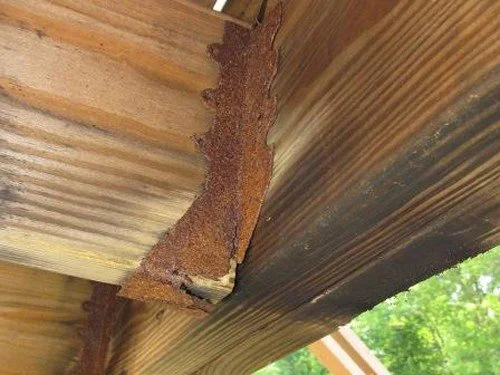
2) Loose or corroded connections
Metal doesn’t age gracefully outside. Screws back out. Nails loosen. Connectors rust.
Things you don’t want to see:
screws or nails sticking out
gaps where hardware should be snug to the wood
rust/corrosion on fasteners or brackets
Corroded hardware loses strength. Loose hardware lets movement happen. Movement turns into damage. Damage turns into you googling “deck collapse videos” at 1 a.m.
What to do:
Replace corroded materials and tighten or upgrade fasteners.
3) Rotting wood
Rot is the quiet villain. It eats wood strength like it’s a hobby.
Rot is especially likely on:
older untreated wood
areas that stay damp
places where water pools or drains poorly
How to check:
Look for missing or damaged areas (rot or insects can cause this)
Watch for grey or dark patches
Use a screwdriver to probe suspicious spots for softness (soft wood = bad news)
If the supports are rotting, that’s a higher-stakes situation than a few ugly deck boards.
4) Cracked wood
Small cracks happen, especially as wood dries and ages.
But large cracks, or multiple cracks clustered in the same area, can mean the wood is weakening and could fail under weight.
Reality Check:
If you’re seeing big cracks in load-bearing areas, don’t assume “it’ll probably be fine.” Deck failures love the phrase “probably fine.”
5) Loose railings
Loose railings are dangerous because people treat railings like they’re trustworthy.
A loose railing can:
give way when someone leans back
break when kids climb on it
turn a casual BBQ into an incident report
Simple test:
If the railing moves back and forth about an inch or more, it needs repair or replacement.
6) Heaved footings
Footings are the concrete supports under your deck, buried in the ground.
Winter soil freeze can push footings upward. That’s called heaving, and it can tilt or weaken the deck’s foundation.
Signs of heaving:
footings pushed above ground level
footings tilted or shifted
the deck feels uneven or “off”
What to do:
Footings should be installed below the frost line. If they’re heaving, you may need to re-pour and re-bury properly.
7) Improperly flashed ledger board
The ledger board is what ties your deck to your house. It’s also a place water loves to collect.
Without proper flashing, moisture can get trapped, rot the board, and weaken the connection between deck and home.
What flashing should do:
cover the ledger board with metal/vinyl protection
run the entire length of the board
stop water from sitting where it shouldn’t
What to do:
If flashing is missing or incomplete, probe for soft spots. If rotted, replace the ledger board and flash it properly. If not rotted, add flashing now to avoid future problems.
One more Reality Check (especially for older decks)
If you don’t know who built the deck, or it was DIY’d by someone whose main credential was “I watched a video once,” treat it like a used car with no maintenance records: inspect it carefully before trusting it.
Quick end-of-season habit that saves you headaches
Do a deck check every year. Ten minutes of inspection now beats discovering a problem when you’ve got guests standing on it holding drinks.
If you want to keep it super simple, walk through this checklist:
connectors present and solid
no rusted hardware
no soft wood
no major cracks
railings solid
footings stable
ledger properly flashed
Then enjoy the patio season like a responsible adult… or at least an adult who doesn’t want a deck-shaped problem.