
BBQ Season is Nearly Upon Us - Here are some Safety Reminders and Tips for both Pros and Amateurs
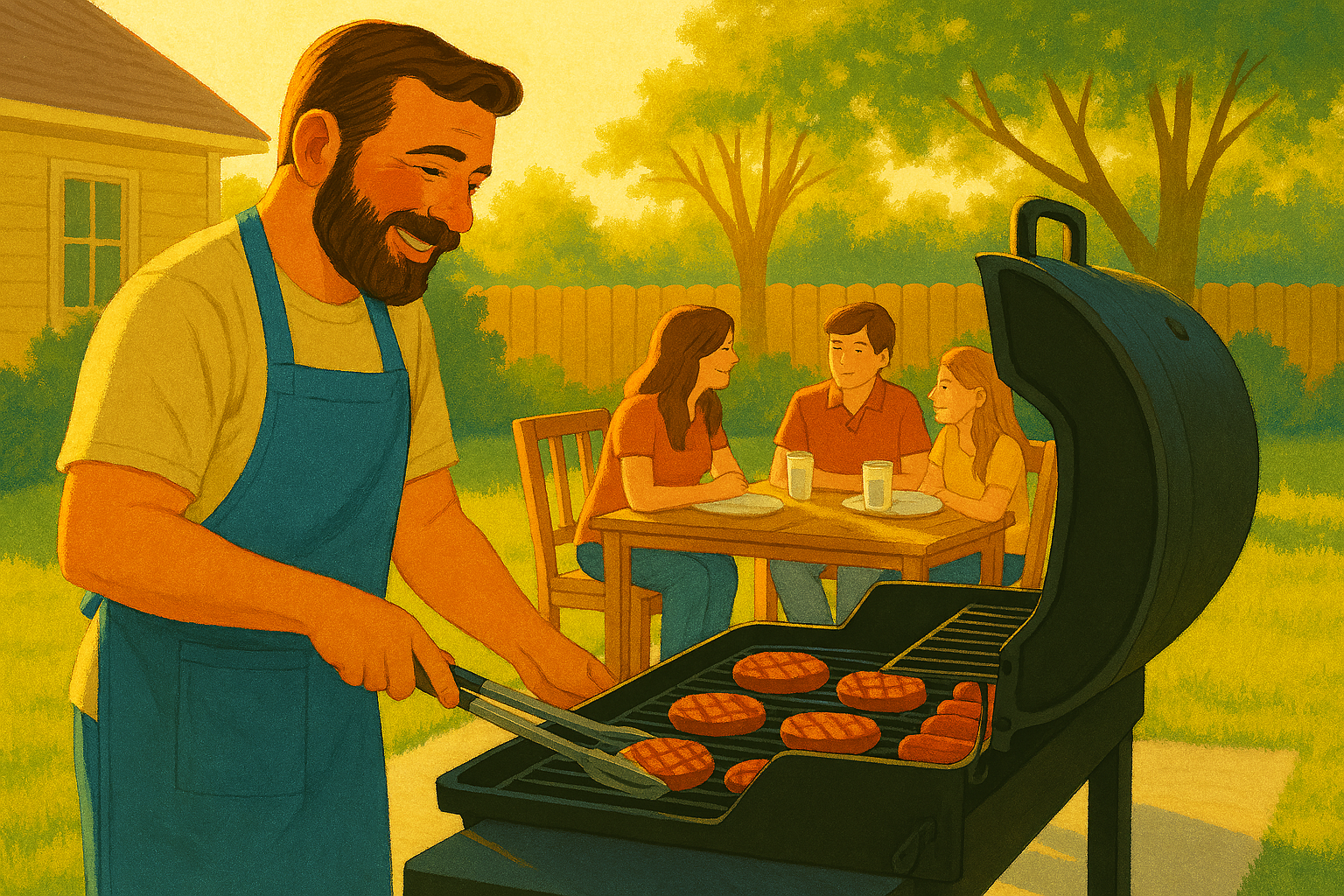
Every year, grilling season seems to arrive not with a calendar date, but with a moment.
The first warm evening after a long Alberta winter — the kind where the warm sun lingers past dinner and the air still smells faintly of melting snow. Without a word, you drag the BBQ out from its winter corner, brushing off what looked like half of January - or February, or even March… The lighter clicks three times before it finally catches, and suddenly that familiar WHOOMP of flame feels like a small personal victory over winter.
Here are some quick tips for beginners to the grilling world, all the way up to the grill masters who may just need a few refreshers after a long winter:
Use grills outdoors only
Propane, natural gas, and charcoal grills are designed strictly for outdoor use where there is constant airflow. Be sure you are not using a grill in enclosed or partially enclosed spaces — such as garages, covered balconies, or near overhangs — that can allow heat, flames, or dangerous gases to accumulate. Always make sure the area above and around the grill is completely clear of walls, roofs, railings, or hanging materials that could ignite — the only things you want flambéed are the burgers.
Place your grill a safe distance from buildings
Avoid positioning grills directly beside your house, deck railings, fences, or other wooden structures. Heat radiating from the grill can slowly warm nearby materials and start a fire without obvious warning, or melt and disfigure that wonderful vinyl siding on your home. Keeping your grill at least 10 feet (3 metres) away from homes, sheds, and other structures whenever possible will help keep flames inside the BBQ only.
Ensure the grill is on a flat, stable surface
Grills placed on slopes, uneven ground, or soft surfaces can tip over, spilling hot coals or igniting fuel. Set grills on solid, level surfaces such as concrete pads, patio stones, or firm ground and be sure to double‑check stability before lighting the grill, especially after moving it or storing it over winter. Nothing is more embarrassing than trying to grill dinner for loved ones, just to have the fire department show up and soak your lawn with water instead.
Inspect gas lines and connections before use
At the start of grilling season, carefully check hoses, valves, and connections for cracks, wear, or leaks — whether the grill was stored indoors or outdoors. A gas leak can allow propane or natural gas to build up inside the grill, leading to dangerous flare‑ups or explosions. Always open the grill lid before lighting to prevent gas accumulation from blowing the barbecue lid across the street when lit — it makes for awkward small talk with the neighbours.
Clean your grill regularly to prevent grease fires
Grease buildup on grates, burners, and drip trays can ignite suddenly and cause uncontrollable flames. After each use, brush grill grates and wipe down surfaces once they have cooled while emptying and cleaning grease trays often to prevent overflow. Plus the food tastes better when it doesn’t contain remnants of the food you grilled last time.
Never leave a grill unattended while in use
Barbecues operate with high heat and open flame, and conditions can change quickly. Stepping away even briefly can allow flare‑ups, tipping, or uncontrolled burning — so if you need to leave, ensure another responsible adult is watching the grill at all times. Bonus — this also helps keep Fido from attempting to grab some of that delicious grub when no one is looking.
Keep a spray bottle of water or a fire extinguisher nearby
Grease dripping onto burners or coals can cause sudden flare‑ups and a spray bottle allows you to quickly knock down small flames without spreading burning grease. Be sure to use water only for minor flare‑ups—not for large grease or gas fires, which require the aforementioned fire extinguisher.
Some final thoughts
Make sure everyone using the grill knows how to use it and how to stop a fire from becoming out of control.
Quick access to fire‑suppression tools can prevent minor incidents from becoming serious emergencies.
Loose sleeves, dangling apron strings, or flowing fabrics can easily catch fire. Clothing can be more flammable than you realize.
As the days grow longer and the temperatures rise, there’s nothing quite like gathering outdoors to enjoy good food, fresh air, and time together. With a little care and preparation, barbecues can be a highlight of warm weather — bringing people together, creating memories, and reminding us to slow down and savour the season.
Here’s to safe grilling, relaxed evenings, and making the most of summer while it lasts!