
Winter is Coming (and it’s Expensive)
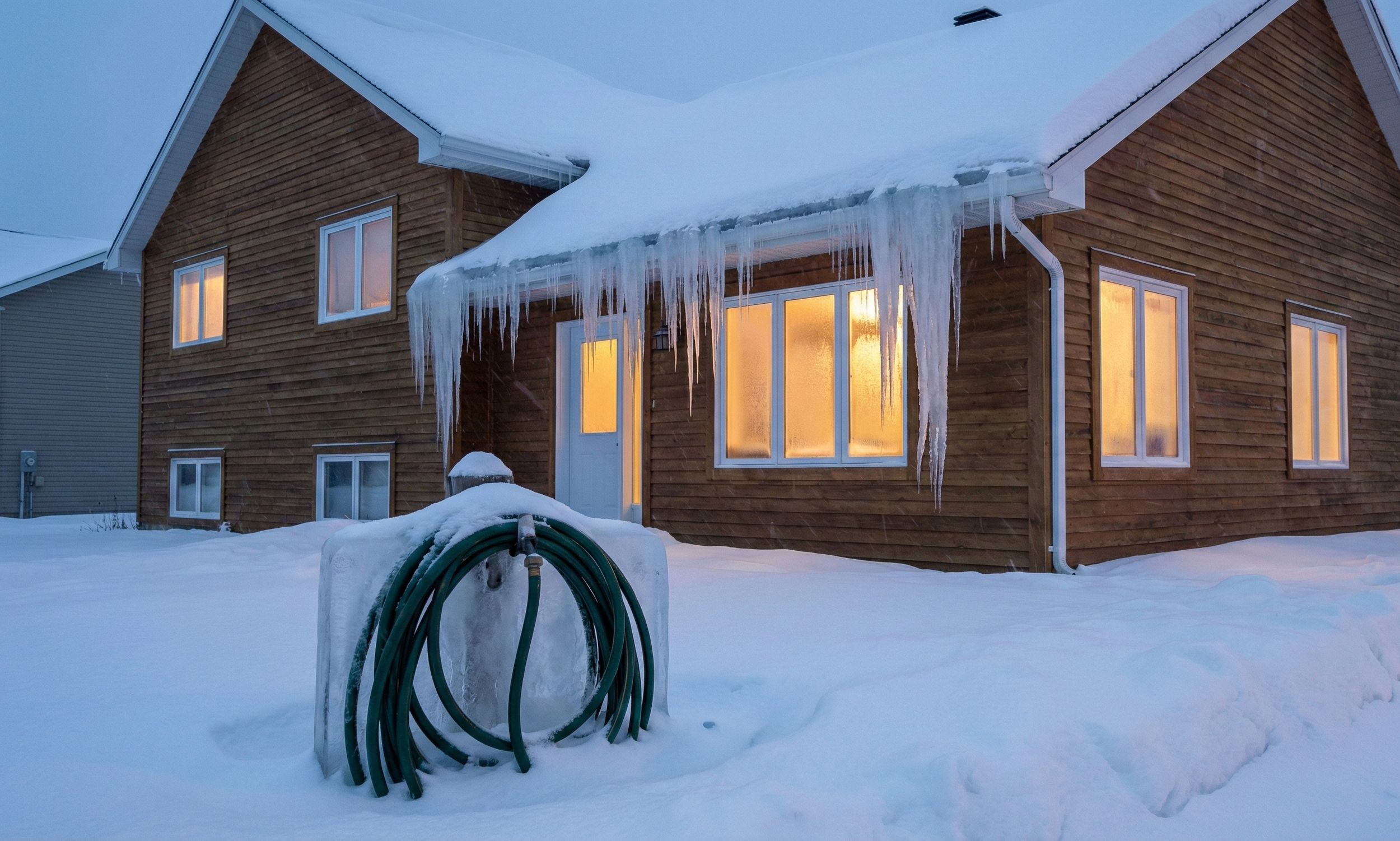
Canadians love to talk about the weather, usually while shoveling it. But we tend to underestimate the sheer financial impact of snow and ice until water is pouring through the ceiling light fixtures.
To put a number on it: The 1998 Eastern Ice Storm cost $5.4 billion in recovery. That was one of the costliest natural disasters in Canadian history.
From frozen pipes to roof collapses, winter storms cause significant property damage every year. As your Critical Thought Partner, we want to help you mitigate these risks before the first major storm hits.
Here is a checklist of key areas that require your attention to reduce the risk of damage to your home.
Roof & Attic: The First Line of Defense
Your roof takes the brunt of winter weather. If you have a flatter roof, you are at greater risk for snow and ice build-up.
Inspect the Attic: Look for any penetrations that could leak warm air from your living space into the attic. Warm air in the attic melts snow on the roof, which then refreezes at the eaves, causing ice dams.
Check Insulation: Ensure there are no large gaps in your attic insulation. Consistent insulation helps keep the roof deck cold and prevents uneven melting.
Clear Obstructions: Snow can collect behind roof obstructions (like vents or chimneys) and put dangerous stress on the roof structure.
Watch for Ice Dams: Examine your roof edges for evidence of ice damming. If ignored, these can force water back up under your shingles and into your home.
Exterior Maintenance: Managing Drainage
Proper drainage prevents water from accumulating near your foundation or weighing down your eaves.
Manage Vegetation: Cut back any overhanging branches. These can break under the weight of ice and drop debris into your drainage systems, causing clogs.
Clean Gutters: Ensure your gutters are free of debris and drain properly. Clogged gutters are a primary cause of ice dams and water damage.
Seal Leaks: Seal any exterior air leaks that could expose interior piping to freezing cold air.
Plumbing: Prevent Burst Pipes
Frozen pipes are a messy, expensive, and entirely preventable claim.
Garden Hoses: Disconnect all garden hoses and shut the indoor valves that control water flow to the outside.
Drain the Line: Once the indoor valve is shut, drain the pipes between that valve and the outdoor faucet to ensure no water is left to freeze and expand.
Winterproofing isn't just about comfort; it's about asset protection. Taking these steps now is significantly cheaper than paying a deductible later.
If you are unsure about your coverage regarding ice damming, roof collapse, or water damage, contact us.
We’ll review your policy to ensure you aren't left out in the cold.