
Something Shiny for Christmas? Don’t Let It Disappear Before Boxing Day
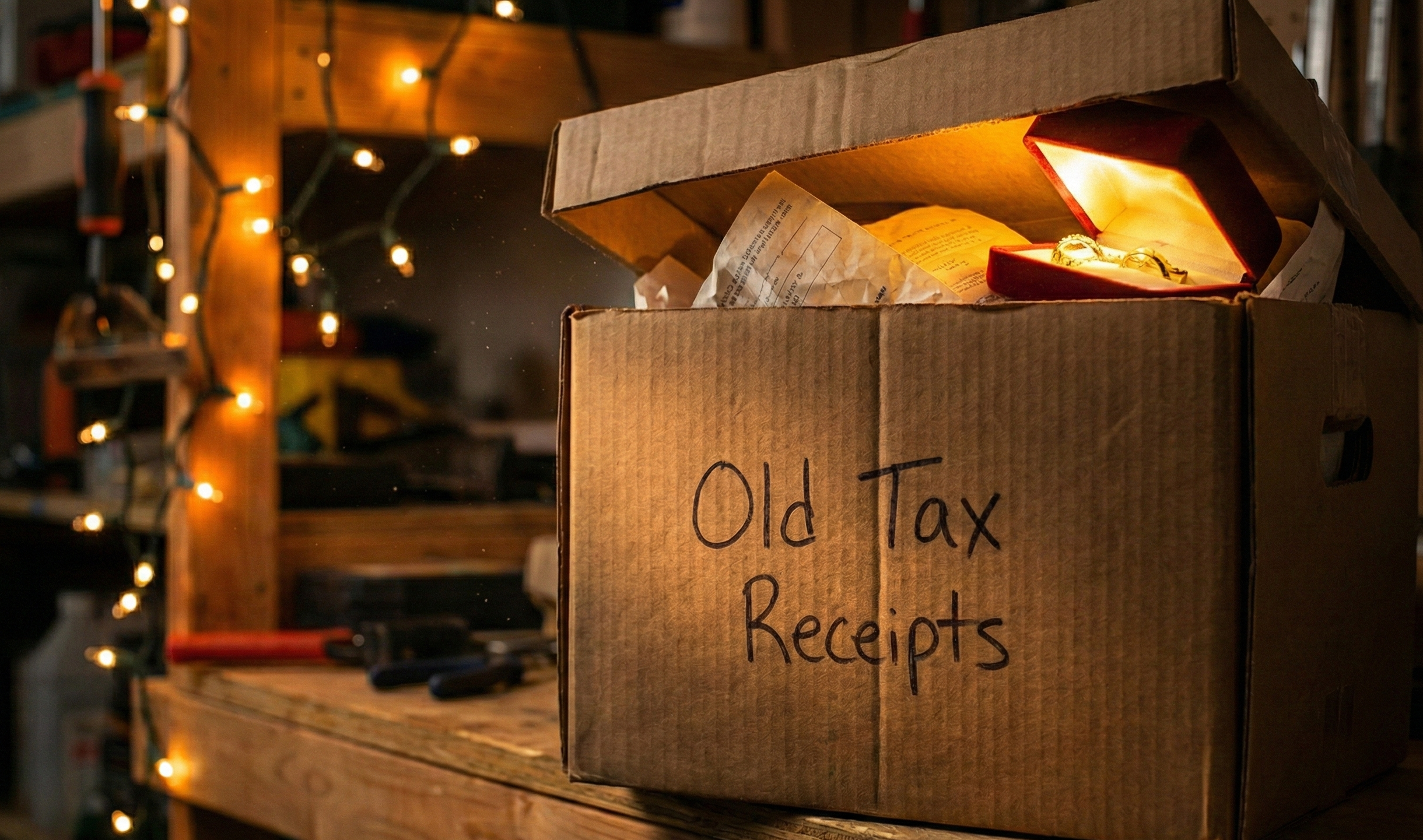
If you are planning to be the hero this year and put a small box with big value under the tree, we applaud you. But before you hide that engagement ring or Rolex in your sock drawer (terrible idea, by the way), we need to talk about the risk.
According to recent data, claims for high-value jewelry theft have risen significantly, with some insurers reporting a 43% increase in claims. In Alberta specifically, we are seeing a rise in "distraction thefts" and residential break-ins where thieves cut screens to target small, high-value items like jewelry and car keys.
Here is how to make sure your generous gift doesn't become a statistic.
The "Special Limit" Trap
Most homeowners assume their insurance covers everything in the house up to their content limit. This is false for jewelry.
Standard home insurance policies have a Special Limit on jewelry, watches, and furs. This is typically capped between $3,000 and $6,000 total for all jewelry in the home.
The Scenario: You buy a $12,000 ring. It gets stolen.
Without Scheduling: The insurance company writes you a cheque for $6,000 (the limit). You are out $6,000.
With Scheduling: You get the full $12,000 replacement value.
The Solution: Schedule It (Float It)
"Scheduling" or "Floating" an item means listing it separately on your policy.
Full Value Coverage: You are insured for the appraised value, not just the policy cap.
No Deductible: In many cases, scheduled items do not have a deductible. If you lose it, you aren't paying the first $1,000 to replace it.
Mysterious Disappearance: Standard policies often only cover theft. Scheduled items are usually covered for "Mysterious Disappearance"—meaning if it falls off your finger in a snowbank or vanishes at a holiday party, you are covered.
Action Item: Email us the appraisal or bill of sale immediately. Do not wait until after Christmas. We can insure it the day you buy it, even if you haven't given it to them yet.
Risk Management: Hiding the Goods
Until the big reveal, you are the custodian of that asset. Thieves know exactly where to look: the master bedroom dresser, the sock drawer, and the bedside table.
Here are three better places to hide it:
The Kitchen Pantry: Burglars rarely steal flour or lentils. Hiding a small box inside a dry food container (like an empty oatmeal cylinder) is highly effective.
The "Boring" Box: Put it in a box in the garage or basement labeled "Tax Documents 2014" or "Kids' Winter Clothes." No one steals old taxes, and your partner probably isnt sifting through them.
False Containers: Use a diversion safe that looks like a household cleaning product or a book. Just don't forget which can of Pledge is the real one.
Operational Security: Hiding the Paper Trail
Buying the gift is the easy part. Keeping the transaction hidden from a spouse with access to the joint banking app is the real challenge.
The Bank Account: If you share a chequing account, a $5,000 debit at "Peoples Jewellers" is going to trigger an inquiry text message before you even get to your car. Use a personal credit card or cash to keep the purchase off the shared radar.
The Insurance Documents: This is where we come in. If you add the item to your policy before Christmas (which you should), the insurance company will automatically generate a new policy declaration page and mail it to your house. Tell us it is a surprise. We can often request digital-only delivery or hold the paperwork so a boring envelope from the insurance company doesn't ruin the big reveal.
If you buy something sparkly, tell us. It costs very little to add a rider to your policy, but it saves you a massive financial headache if the Grinch shows up.
Stay safe, hide your gifts well, and if you are completely stuck on what to buy your favorite insurance broker this year, I am a size "Rolex Submariner." I promise I'll schedule it immediately.
Merry Christmas.